
Accessibility of victims services
Policy brief published June 2022
CHILD MALTREATMENT PREVENTION
The University of Iowa Injury Prevention Research Center (UI IPRC) conducted a policy analysis examining how reported rates of child maltreatment relate to the accessibility of family violence victim services. We looked at how many cities per county had access to these services and how many federal dollars were allocated to victim assistance in each state. Rates of child maltreatment were derived from the National Child Abuse & Neglect Data System (NCANDS).
Key findings
- The expected substantiated rates of child maltreatment are 0.03% lower with every dollar states spent per capita on victim assistance.
- The expected substantiated rates of child maltreatment are 1.43% lower with every additional city in a county with an active family violence victim service.
- Given the relationship between child maltreatment and violence within intimate adult partnerships later in life, there may be value in leveraging prevention investments centered on family violence as indirect investments in child maltreatment prevention.
What is child maltreatment?
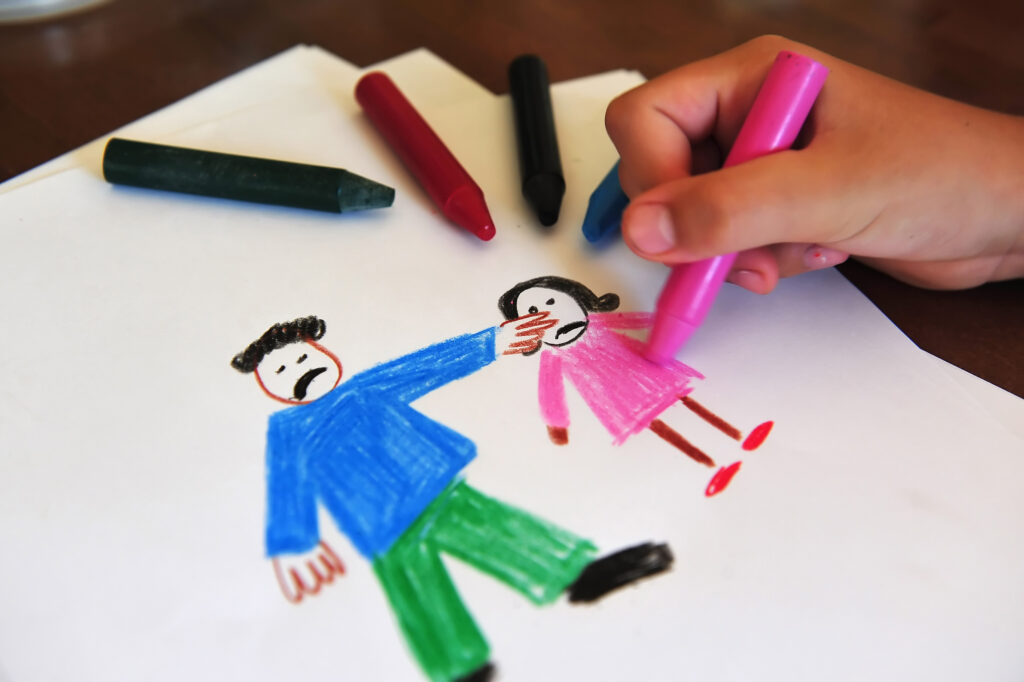
Child maltreatment is an inclusive term for child neglect, physical abuse, emotional abuse and sexual abuse. Effective intervention for child maltreatment and related trauma injury can prevent harms to a child’s physical and mental health, as well as harms to family, community, and society.
How does child maltreatment relate to other family violence?
Studies estimate that in more than 30% of families where either child maltreatment or intimate partner violence (IPV) is occurring, the other form of harm will be found. Researchers estimate that annually over three million children are exposed to IPV in their families. Evidence suggests that childhood exposure to IPV produces many of the same negative consequences as direct maltreatment. Research also indicates that children who witness violence are as likely to engage in violent behavior as children who are direct recipients of maltreatment.
The role of victim services
By having accessible victims services, families may be better able to reach short-term safety and reduce their risk for both child maltreatment and child exposure to IPV. In doing so, the probability of the adverse consequences of child maltreatment is reduced. The risk of a child developing aggression towards future partners or children is also reduced.